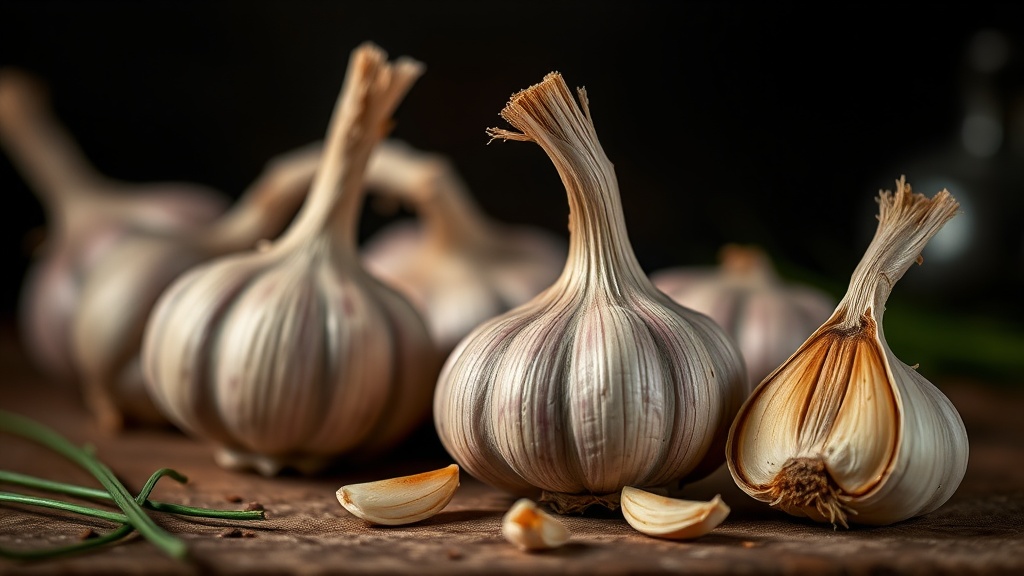
Getting the Most from Garlic: A Simple Temperature Trick

Did you know that the volatile compounds responsible for garlic's signature aroma and flavor can be destroyed or altered within seconds of hitting a hot pan? Achieving that aromatic, savory depth from garlic in your cooking can feel like a culinary tightrope walk. Too little heat, and it remains raw; too much, and it quickly turns bitter and acrid, spoiling an entire dish. This quick tip focuses on mastering the heat, ensuring your garlic consistently contributes its best—transforming good meals into truly great ones without the dreaded burnt aftertaste.
Why does garlic go from fragrant to acrid in an instant?
Garlic is rich in natural sugars and contains very little water, making it extremely susceptible to burning. Unlike onions, which have higher water content and take longer to caramelize, garlic’s delicate structure means those sugars can quickly scorch at high temperatures. The sulfury compounds that give garlic its beloved pungency—like allicin—are also highly volatile. Intense heat breaks them down rapidly, leading to the unpleasant, bitter notes no one wants in their pasta sauce or stir-fry. You can learn more about garlic's fascinating chemistry