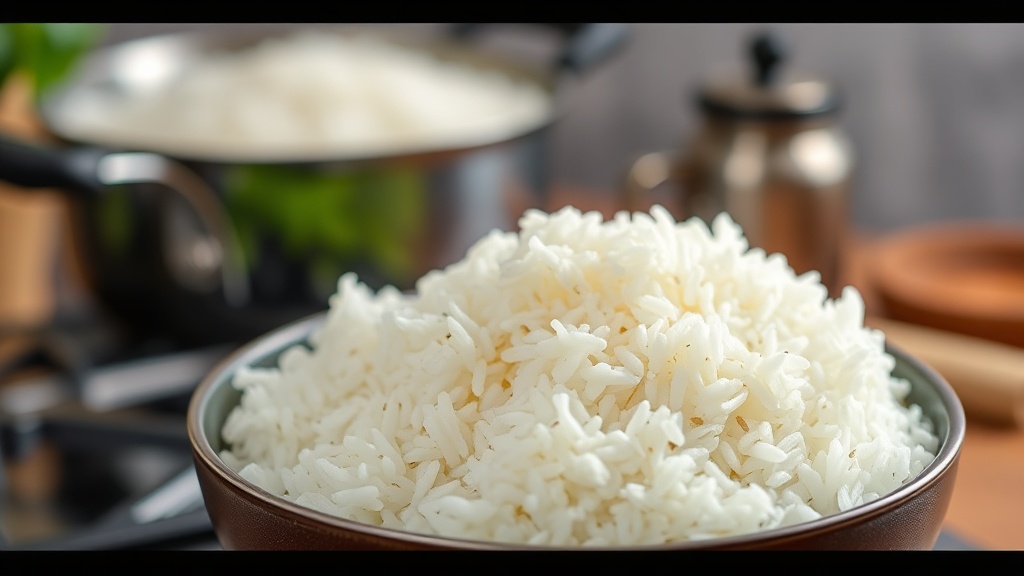
How to Make Perfect Fluffy Rice on the Stovetop Every Time

This post covers the exact technique for making light, separate grains of rice on the stovetop without any fancy equipment. You'll learn the right ratios, timing, and small details that separate gummy, overcooked rice from the fluffy stuff that works beautifully beside stir-fries, curries, or grilled salmon. Whether you're cooking for weeknight dinners or meal-prepping lunches, getting this right saves money, skips another appliance, and builds a skill you'll use forever.
What's the Best Rice-to-Water Ratio for Fluffy Stovetop Rice?
The answer depends on the grain, but for most long-grain white rice you'll want 1 cup of rice to 1.5 cups of water. That ratio produces grains that swell fully without collapsing into a wet paste. Short-grain rice needs more liquid — usually 1 cup rice to 1.25 or 1.5 cups water — because the starchier grains absorb more moisture and cling together. (That's exactly what you want for sushi, but not for a pilaf.)
Here's the thing: not all "white rice" bags are the same. Carolina long-grain rice behaves differently from Nishiki medium-grain or basmati from India. Basmati is slender and aromatic, and it often cooks best at a 1-to-1.75 ratio with a brief soak beforehand. Jasmine rice — common in Thai cooking — lands somewhere in the middle at about 1-to-1.5.
If you're working with brown rice, throw the standard ratios out the window. Brown rice still has its bran layer, so it needs significantly more water and time. Most brown rices cook well at roughly 1 cup rice to 2.25 cups water, simmered for 40 to 50 minutes.
| Rice Type | Rice-to-Water Ratio | Approximate Cook Time |
|---|---|---|
| Long-grain white (Carolina, Royal) | 1 : 1.5 | 15–18 minutes |
| Basmati (Daawat, Tilda) | 1 : 1.75 | 15–20 minutes |
| Jasmine (Dynasty, Three Ladies) | 1 : 1.5 | 15–18 minutes |
| Short-grain white (Nishiki, Koshihikari) | 1 : 1.25 | 18–20 minutes |
| Brown rice (Lundberg Family Farms) | 1 : 2.25 | 40–50 minutes |
Measure carefully. Eyeballing water is where most people go wrong. Use a liquid measuring cup — not a coffee mug — and level off the rice with a straight edge before it hits the pot.
Should You Rinse Rice Before Cooking It on the Stove?
Yes, almost always — rinsing removes excess surface starch that makes rice clump together or turn gummy. Run cold water over the grains in a fine-mesh sieve until the water running through looks mostly clear instead of milky. For some short-grain varieties, this takes three or four passes. For long-grain white rice, two usually does the job.
The catch? A few specialty rices are meant to be cooked straight from the bag. Some enriched American long-grain rices — like certain bags of Mahatma — are coated with vitamins that wash away if you rinse aggressively. Read the label. If it says "enriched," skip the rinse unless you don't mind losing the added nutrients.
Basmati and jasmine almost always benefit from rinsing. Some cooks even soak basmati for 20 to 30 minutes after rinsing, which helps the grains elongate into those elegant, restaurant-style strands. It's not mandatory, but the results are noticeably better — especially if you're serving guests.
Worth noting: rinsing also washes away any dust or debris from milling and packaging. It's a 30-second step that improves texture and cleanliness. Don't skip it out of laziness.
What Pot Should You Use for Stovetop Rice?
A heavy-bottomed pot with a tight-fitting lid is ideal. The heavy bottom distributes heat evenly and prevents the rice from scorching where the flame hits. A loose lid lets steam escape, which throws off your liquid ratio and leaves you with undercooked grains on top.
A 2- to 3-quart Le Creuset enameled Dutch oven works beautifully, as does a mid-weight stainless steel pot from All-Clad or Cuisinart. You don't need to spend a fortune — the IKEA 365+ 3-quart pot, which runs about twenty dollars, does the job surprisingly well. What matters most is the seal.
Before you start, check your lid. If it rattles or gaps significantly, lay a clean kitchen towel over the pot and then set the lid on top. (Tuck the towel edges up so they don't hang near the flame.) The towel absorbs condensation that would otherwise drip back onto the rice and make the top layer soggy. It's an old restaurant trick that costs nothing.
Avoid thin aluminum pots or oversized stockpots for small batches. Thin metal creates hot spots. Wide pots spread the rice too thinly, causing uneven cooking. Match the pot to the batch — you want the uncooked rice to sit about an inch deep, not half an inch.
What's the Exact Method for Cooking Rice on the Stovetop?
Once you've rinsed and measured, the process is simple — but the details matter. Here's the step-by-step that works every time for long-grain white rice.
- Combine rice and water in your pot. Add a pinch of salt. Some cooks add a teaspoon of butter or oil, which helps keep grains separate. It's optional — but nice.
- Bring to a boil over medium-high heat. Don't crank the burner all the way up. A violent boil can break the grains and release too much starch.
- Reduce to the lowest possible simmer and cover tightly. The liquid should barely bubble. If your stove runs hot, use a diffuser or move the pot slightly off-center.
- Cook for 15 minutes without lifting the lid. No peeking. Every time you remove the lid, steam escapes and the cooking time shifts.
- Remove from heat and let it rest, still covered, for 10 minutes. This finishes the cooking gently and allows moisture to redistribute.
- Fluff with a fork. A rice paddle or wooden spoon will crush the grains. A fork lifts and separates them.
That said, different stoves behave differently. A gas flame on "low" might still be too aggressive for a delicate simmer. Electric coils retain heat longer, so you may need to pull the pot off the burner entirely for the resting phase. Induction is the most precise — you can hold a true low simmer without much fuss.
If you're cooking brown rice, the method is the same, but the timeline stretches. Bring to a boil, cover, reduce to low, and simmer for 40 to 45 minutes. Then rest for 10. The grains will be chewy and nutty — that's the texture you're after.
Why Does Stovetop Rice Sometimes Turn Out Mushy or Sticky?
Usually it's too much water, too much heat, or too much stirring. Rice cooks by absorbing a set amount of liquid; add extra water and the grains burst open, releasing starch that turns the whole pot into porridge. High heat agitates the grains and has the same effect. And stirring — while tempting — breaks the delicate structure and creates glue.
Here's the thing: once the lid goes on, your job is done. Trust the process. The rice doesn't need checking, stirring, or fluffing until the very end. If you absolutely must know what's happening, listen instead of looking. A gentle hiss means steam is doing its work. Silence usually means the liquid has been absorbed.
Another common culprit is old rice. Rice isn't immortal. After a year or so in the pantry, it dries out and cooks unevenly — sometimes crunchy, sometimes mushy, even with the right technique. Buy in quantities you'll use within six to eight months, and store it in an airtight container away from heat and light.
Hard water can also affect results. Minerals in tap water alter how starch gelatinizes. If your rice consistently turns out slightly off and you can't figure out why, try filtering the water — or use bottled distilled water for one batch as a test.
Can You Reheat Stovetop Rice Without Ruining the Texture?
Yes, and the microwave is actually the best tool for the job. Place the leftover rice in a microwave-safe bowl, sprinkle a tablespoon of water over it, and cover the bowl with a damp paper towel. Heat in 30-second bursts, fluffing between each, until it's hot all the way through. The steam revives the grains without drying them out.
If you prefer the stovetop, use a nonstick skillet over medium-low heat with a splash of water and a tight lid. It takes about five minutes and gives you slightly firmer grains — great if you're turning leftover rice into fried rice.
One non-negotiable: refrigerate leftover rice within two hours of cooking. The FDA recommends prompt cooling because cooked rice can harbor Bacillus cereus, a bacterium that thrives at room temperature. Store it in the fridge for up to four days, or freeze it in flat portions for up to a month.
How Does Stovetop Rice Compare to a Rice Cooker?
A rice cooker — like the Zojirushi Neuro Fuzzy — offers set-it-and-forget-it convenience and remarkably consistent results. The fuzzy-logic models adjust temperature and timing automatically, which is genuinely impressive technology. That said, a rice cooker costs money, takes up counter space, and adds another appliance to maintain.
Stovetop rice, once you learn the technique, is just as reliable — and arguably more versatile. You can toast the rice in oil before adding liquid (the pilaf method), layer in spices and aromatics, or deglaze with wine. A rice cooker limits some of that creativity. Serious Eats has an excellent deep dive on the science of starch gelatinization that explains why manual control can actually improve certain dishes.
If you cook rice daily or feed a large family, a Zojirushi or Tiger rice cooker might be worth the investment. For occasional batches or smaller households, the stovetop method is faster to set up and easier to clean.
Dante Bergeron runs kitchenkingdom.blog from Montreal — where good rice matters as much for Tuesday-night stir-fry as it does for Sunday dinner. Master the stovetop method, and you'll never stress about a side dish again.
Steps
- 1
Rinse the rice under cold water until the water runs clear
- 2
Combine rice and water in a heavy-bottomed pot using a 1:1.5 ratio
- 3
Simmer covered on low heat for 15 minutes, then rest off heat for 10 minutes before fluffing