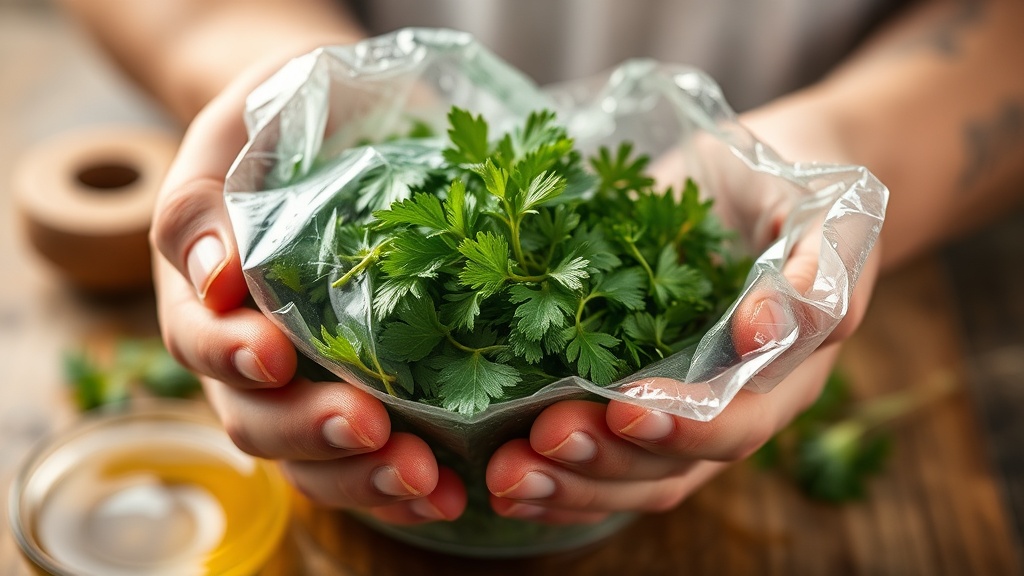
Why Freezing Fresh Herbs in Oil Beats Drying Every Time

You will learn how freezing fresh herbs in oil preserves more flavor than drying, which herbs work best for this technique, and how to portion frozen herb cubes into quick cooking solutions. Most home cooks default to hanging herbs upside down or using a dehydrator when they have an abundance, but that method sacrifices volatile aromatic compounds. Freezing in oil locks in freshness while creating ready-to-use flavor bombs.
Why Does Freezing Herbs in Oil Preserve More Flavor Than Drying?
Drying herbs removes moisture through evaporation, but that process carries away delicate volatile oils responsible for aroma and taste. Basil, cilantro, parsley, and chives all contain compounds that oxidize and degrade when exposed to air and heat during dehydration. The result? Dried herbs that smell dusty rather than vibrant.
Freezing works differently. When you pack chopped herbs into ice cube trays and cover them with olive oil or neutral oil, you create an oxygen barrier that halts enzymatic browning and oxidation. The cold temperature suspends cellular activity without rupturing cell walls completely. When you later drop a frozen cube into a hot pan, the oil carries those intact aromatic compounds directly into your dish.
The texture changes too. Dried herbs become brittle and papery, useful for long-cooking stews but disappointing as a finishing touch. Frozen herb cubes retain some of their original body. A cube of frozen basil in oil melts into a pan with a sizzle, releasing bright green color and genuine basil flavor even in the depths of winter.
Oil serves a dual purpose beyond preservation. Fat is a flavor carrier, meaning those aromatic compounds dissolve into the oil itself. When you cook with a frozen herb cube, you are not just adding preserved plant matter—you are adding infused fat that distributes flavor throughout the entire dish. Dried herbs cannot replicate this effect without extended steeping.
Which Fresh Herbs Freeze Best in Oil?
Soft herbs with high moisture content respond beautifully to freezing in oil. Basil tops the list—it blackens when frozen plain but stays vibrant green when submerged in oil. Cilantro and flat-leaf parsley maintain their fresh character for months. Chives, tarragon, and dill all freeze well too, though dill's delicate fronds work better as a compound butter than in oil cubes.
Hard herbs like rosemary, thyme, and oregano present a different case. Their lower moisture content and tougher cell structure means they dry reasonably well. You can freeze them in oil, but the improvement over drying is less dramatic. Some cooks prefer to strip rosemary and thyme leaves from stems, chop them coarse, and freeze in oil for quick-starting braises. Sage freezes poorly in oil—the leaves become slimy and develop off flavors.
Consider how you will use the preserved herbs. Basil frozen in olive oil becomes an instant pasta sauce starter. Cilantro in neutral oil drops into curries and soups. Parsley in oil sautés with garlic for quick greens. Match the oil to the herb's likely destination: robust olive oil for Mediterranean herbs, grapeseed or canola for herbs destined for Asian or Latin American cooking.
The Best Method for Freezing Herb Cubes
Wash and thoroughly dry your herbs first—excess water creates ice crystals that damage texture. Chop herbs finely rather than leaving them whole; more surface area means better oil contact and faster melting during cooking. Pack chopped herbs into ice cube trays, filling each compartment about two-thirds full. Cover with oil, leaving a small gap at the top for expansion.
Freeze the trays flat until solid—usually 4 to 6 hours. Once frozen, pop the cubes out and transfer to freezer bags labeled with herb type, oil used, and date. Stored properly, these cubes maintain quality for 6 to 8 months, though they remain safe to eat indefinitely. The real clock is flavor degradation, not food safety.
Portion size matters. Standard ice cube trays create roughly 2-tablespoon portions, ideal for starting a sauce or soup. For smaller applications, use mini ice cube trays or silicone molds designed for candy making. Some cooks prefer freezing herbs in measured tablespoon portions on a parchment-lined sheet, then transferring to bags once solid—this creates loose "coins" rather than cubes.
How Do You Cook With Frozen Herb Cubes?
Treat frozen herb cubes as both fat and seasoning in one package. For sautés, start with a cold pan and add the cube directly—it will melt and come to temperature along with the pan, preventing the violent spattering that occurs when frozen oil hits hot metal. The herbs will sizzle and perfume the oil within seconds.
For soups and stews, drop cubes in during the last 10 to 15 minutes of cooking. Extended boiling drives off volatile aromatics, so adding frozen herbs too early wastes their fresh character. Think of them as a bright finish rather than a base layer. A cube of frozen parsley and garlic oil stirred into lentil soup just before serving transforms a humble bowl into something restaurant-worthy.
Salad dressings benefit too. Blend a frozen basil cube with lemon juice, Dijon mustard, and additional fresh oil for an instant emulsion. The frozen herbs essentially become part of the dressing structure rather than separate garnishes. This technique works particularly well for grain salads and pasta salads that sit in dressing—frozen herb cubes distribute flavor more evenly than fresh chopped herbs that clump together.
Baking applications exist beyond the obvious garlic bread. A cube of frozen rosemary in oil rubbed over chicken before roasting creates a self-basting situation—the oil crisps skin while the herb infuses the meat. Frozen thyme cubes dropped into the bottom of a quiche or frittata pan prevent sticking while adding subtle seasoning to the crust.
Common Mistakes to Avoid
Do not use extra-virgin olive oil for freezing delicate herbs destined for high-heat cooking. The polyphenols that make good olive oil taste peppery turn bitter when exposed to prolonged heat and freezing temperatures. Save your expensive oil for finishing. Use regular olive oil or neutral oils for freezing.
Freezing herbs without oil leads to freezer burn and blackening within weeks. The oil barrier is non-negotiable for quality preservation. Similarly, do not overfill trays—herbs need complete oil coverage. Exposed leaves dry out and discolor even in the freezer.
Label everything clearly. Frozen basil and frozen mint look nearly identical after a month. Include the year on your labels; while frozen herb cubes remain safe indefinitely, flavor fades noticeably after 8 months. Practice rotation—use older cubes first, replenish your supply during growing season.
Can You Freeze Other Aromatics Using This Method?
The technique extends beyond leafy herbs. Minced garlic freezes beautifully in oil, creating instant flavor foundations. So does minced ginger—peel and grate fresh ginger, pack into trays, and cover with neutral oil. These ginger cubes drop directly into stir-fries without the fibrous texture that sometimes plagues fresh ginger.
Chili peppers work too. Finely chopped fresh chilies frozen in oil lose some of their raw heat edge but gain a roasted quality when the cube hits a hot pan. Softer aromatics like minced shallots and green onions freeze adequately, though their texture becomes slightly mushy—acceptable for cooked applications but not for garnishing.
Compound preparations freeze well. Try basil-garlic, cilantro-lime zest, or parsley-lemon peel combinations. These ready-to-use flavor bases eliminate multiple prep steps on busy weeknights. A cube of frozen sofrito—onion, garlic, and bell pepper minced together in oil—starts paella or beans with authentic depth.
For more information on herb preservation techniques, consult the USDA Food and Nutrition Information Center or explore detailed guidance from the National Center for Home Food Preservation. The FDA's safe food handling guidelines provide additional context on freezer storage times and best practices.
Next time your garden explodes with basil or the farmer's market sells parsley bunches the size of bouquets, skip the dehydrator. Grab an ice cube tray and some oil. Six months later, when snow covers the ground and fresh herbs cost small fortunes at the grocery store, you will open your freezer and find summer waiting in neat green cubes.