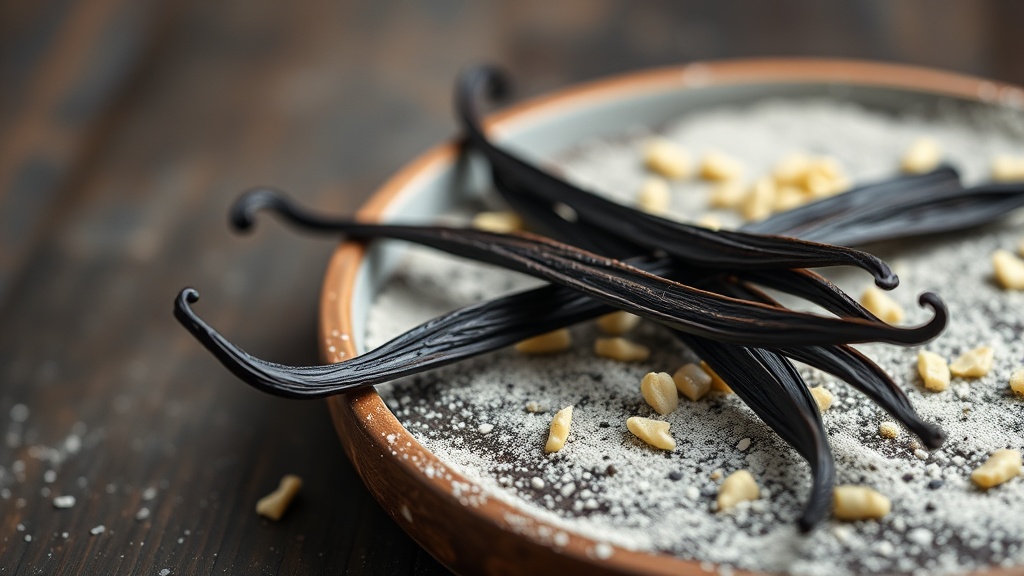
Why High-Quality Vanilla Beans Change Everything in Your Baking

What Makes Real Vanilla Beans Better Than Extract?
You're about to learn why the difference between a standard bottle of extract and a whole vanilla bean isn't just a matter of price—it's a matter of chemistry and depth. While vanilla extract is a staple in most pantries, it lacks the complex, nuanced profiles that come from the physical presence of the bean. This post breaks down the sensory differences, the structural impact on recipes, and why your dessert might feel "flat" without that extra bit of real spice.
Vanilla is often treated as a background player. It's the invisible hand that makes sugar taste more like sugar and cream taste more like cream. However, when you use a high-grade bean, you aren't just adding a scent; you're adding tiny, edible specks of concentrated flavor that change the way light hits a custard or a crème brûlée. It's the difference between a singular note and a full orchestra.
Most people reach for the cheap stuff because it's easy. I get it. But if you're making a vanilla bean panna cotta, using a liquid extract can feel a bit like painting a landscape with a single shade of beige. You need the texture and the varied flavor notes—vanilla, wood, smoke, and spice—to truly satisfy the palate.
Can You Use Vanilla Bean Paste Instead?
Vanilla bean paste is a middle ground between the liquid extract and the whole bean. It's essentially a concentrated syrup containing the seeds (the "caviar") of the bean. It's a great option if you want those beautiful black specks without the hassle of slicing open a fresh pod every time you bake. However, keep in mind that the profile of a paste is often more uniform and less complex than a freshly scraped bean.
If you're in a rush, a paste is a reliable tool. But if you want to experiment with different varieties—like the floral notes of Madagascar or the spicy, rich tones of Tahitian vanilla—the whole bean is your best bet. A paste is a shortcut; a bean is an experience. For those looking for technical specs on bean quality, the Cook's Illustrated archives often discuss the nuances of spice grading and quality.
The Best Ways to Use Vanilla Beans in Your Kitchen
Don't let those leftover pods sit in the trash. One of the best things about buying whole beans is the longevity of the flavor. Once you've scraped the seeds, you're left with a highly aromatic husk. You can toss these into a jar of sugar to make vanilla sugar, or drop them into a bottle of vodka to create your own high-end extract. It's a way to ensure nothing goes to waste.
- Infused Creams: Simmer the empty pods in warm milk or heavy cream to extract every last drop of oil.
- Vanilla Sugar: Place the dried pods in a jar of granulated sugar for a few weeks.
- Syrups: Add a pod to a simple syrup for cocktails or coffee.
When you're working with high-end ingredients, you should also keep an eye on how you store them. Vanilla beans are moisture-sensitive. If they dry out too much, they become brittle and lose that bendy, oily quality. Keep them in a cool, dark place—a simple airtight container or a glass jar works perfectly. If you want to see how different spices affect dough stability, check out the resources at King Arthur Baking.
Why Does My Vanilla Flavor Taste Artificial?
If your baking tastes like a candle rather than a dessert, you're likely dealing with synthetic vanillin. Most budget-friendly extracts use vanillin, which is a single molecule designed to mimic the scent of vanilla. While it works for basic tasks, it lacks the hundreds of other organic compounds that make up a real bean. This is why a recipe might look perfect on paper but taste chemically in your mouth.
Real vanilla has a spectrum of flavors. Depending on the origin, you might find hints of chocolate, clove, or even citrus. This complexity is what builds a sense of luxury in a dish. When you use a high-quality bean, you're adding a layer of sophistication that synthetic substitutes simply can't replicate. It's not just about the smell; it's about the lingering aftertaste that makes a person want another bite.
| Type of Vanilla | Primary Flavor Profile | Best Used For |
|---|---|---|
| Madagascar Bourbon | Creamy, classic, sweet | Custards, puddings, ice cream |
| Tahitian | Floral, fruity, cherry-like | Fruit-based desserts, light cakes |
| Mexican | Spicy, woody, subtle | Breakfast pastries, coffee syrups |
Using the right tool for the job is a core part of being a better cook. Whether you're making a simple batch of cookies or a complex soufflé, the quality of your vanilla dictates the ceiling of your success. Don't settle for the cheap stuff when the real thing is within reach. Your guests will notice the difference, even if they can't quite name exactly why the dessert feels so much more indulgent.