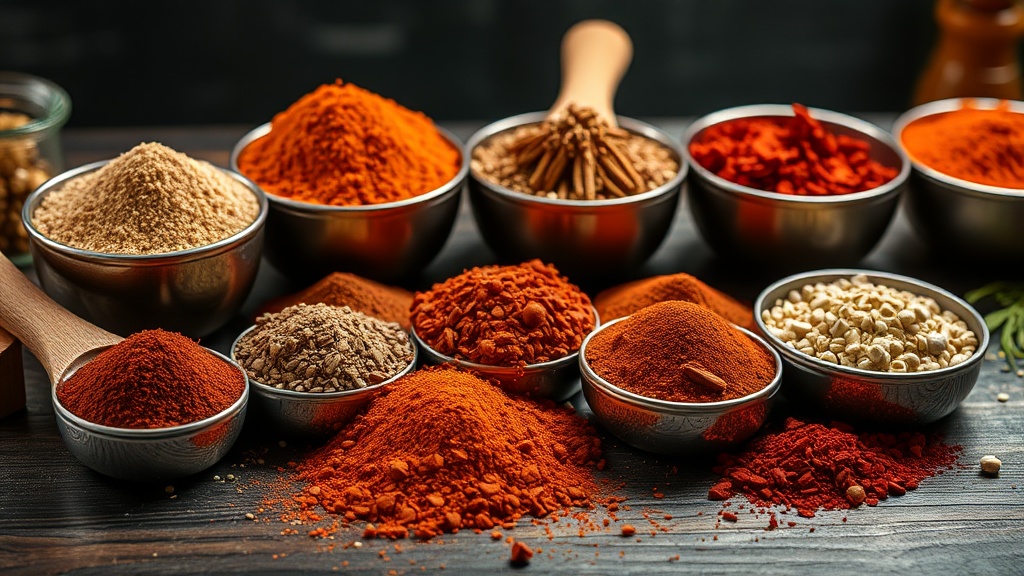
Why You Should Stop Buying Pre-Ground Spices Immediately

The Hidden Cost of Convenience in Your Spice Rack
Most home cooks believe that buying pre-ground spices is a smart way to save time and effort. It's a common misconception that a jar of ground cinnamon or cumin is just as good as the whole form, provided it's a reputable brand. The reality is much harsher. When you buy pre-ground spices, you aren't just paying for the convenience; you're paying for a product that has already lost a significant portion of its soul. The moment a spice is ground, its surface area increases exponentially, exposing it to oxygen and light. This leads to rapid oxidation, which strips away the volatile oils responsible for that punchy, aromatic flavor we crave in cooking.
By choosing whole spices, you're making a choice for flavor depth and longevity. A whole peppercorn holds its heat and texture far longer than a fine powder. A whole star anise maintains its licorice-like sweetness, whereas the ground version often tastes like nothing more than colored dust. If you want your dishes to actually taste like the recipes you're following, you need to rethink how you stock your pantry. It isn't just about the spice itself—it's about the integrity of the ingredient.
Is Grinding Your Own Spices Worth the Effort?
The short answer is yes. If you're looking to move beyond basic home cooking and into more intentional meal preparation, the answer is a resounding yes. Grinding your own spices isn't just about the flavor—it's about control. When you grind your own, you control the texture and the intensity. For instance, if a recipe calls for ground coriander, you can choose to grind it into a fine powder or a coarse, textured grit. This makes a massive difference in how the spice interacts with fats and liquids in your pan.
The process is actually quite simple. You don't need a high-end laboratory; a simple mortar and pestle or even a cheap electric coffee grinder works wonders. I often use a small coffee grinder for larger batches of cumin or coriander, then clean it thoroughly before switching to something more delicate like cardamom. It's a small ritual that yields massive dividends. When you crack open a jar of freshly ground spices, the scent hits you immediately. That's the smell of freshness—something a supermarket shelf can never replicate.
The Best Ways to Store Whole Spices
Once you've made the switch to whole spices, you need to treat them with respect. Store them in a cool, dark place—not right above your stove. The heat from the range is a flavor killer. Glass jars are a great option, but ensure they are airtight. If you're looking for professional advice on spice shelf life, the Serious Eats archives offer fantastic deep dives into how various ingredients degrade over time.
Here is a quick guide to how long you can expect certain whole spices to stay vibrant in a cool, dark pantry:
- Whole Peppercorns: 3–4 years
- Whole Cloves: 2–3 years
- Cinnamon Sticks: 2–3 years
- Whole Cumin Seeds: 1–2 years
- Cardamom Pods: 1–2 years
Notice the trend? The more oily the spice, the faster it wants to degrade. This is why keeping them whole is your best defense. You're essentially keeping the volatile oils locked inside a protective shell until the moment you need them.
What Are the Most Important Spices to Grind Fresh?
You don't need to grind everything every single time, but certain spices benefit disproportionately from being freshly prepared. If you're using a spice that is the "star" of a dish, don't settle for the dusty stuff. For example, in a curry or a hearty stew, the cumin and coriander are the foundation. If they're old, the entire dish will feel flat.
If you want to see how spices are categorized and used in global cuisines, checking out resources like the Food Standards Agency can provide context on quality and safety standards for various ingredients. For my purposes, I focus on the sensory experience. A freshly ground nutmeg, grated directly over a creamy pasta or a custard, is worlds apart from the pre-ground powder found in the baking aisle. The texture of the fresh grate adds a physical dimension to the flavor profile that powder simply cannot achieve.
Here are a few spices that change the game when freshly ground:
- Nutmeg: The difference between a dull dessert and a fragrant masterpiece is the grate.
- Black Pepper: Freshly cracked pepper has a sharp, biting heat that pre-ground pepper lacks.
- Cumin: The earthy, nutty aroma is much more pronounced when the seeds are freshly crushed.
- Cardamom: Opening the pods to extract the seeds provides a citrusy, floral note that is incredibly bright.
It's a small investment of time that changes the entire profile of your cooking. You'll find that your dishes become more layered and complex. You aren't just adding heat or color; you're adding character. The more you practice this, the more you'll realize that the "convenience" of the spice aisle is actually a trade-off for quality. If you want to cook like a professional, you have to respect the raw material. Stop buying the dust and start buying the source.