Why Your Cast Iron Skillet Is Not Seasoning Correctly

The Difference Between a Sticky Pan and a Non-Stick Surface
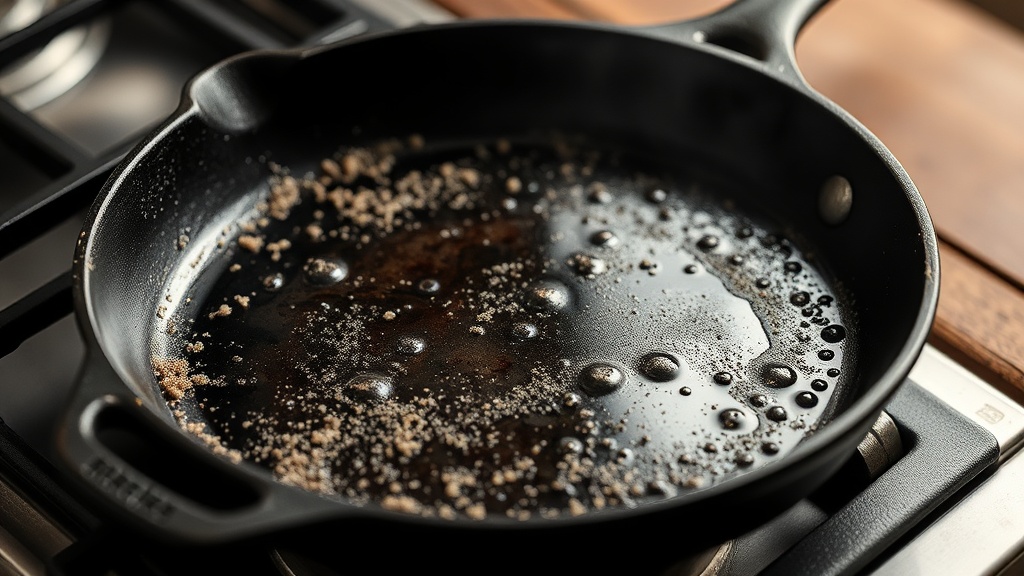
You pull a heavy skillet out of the oven, expecting a smooth, black, non-stick surface, but instead, you find a tacky, brownish mess that makes eggs cling to the metal like glue. It is a frustrating experience—one that often leads people to believe their pan is ruined or that they should just buy a new Teflon skillet. The reality is much simpler: your seasoning process is likely failing due to heat management or oil choice. Proper seasoning isn't about layering thick crusts of burnt fat; it's about creating a microscopically thin, polymerized layer of oil that bonds to the iron. If you get this wrong, you end up with a pan that is prone to rust and sticks constantly.
Understanding how oil reacts to heat is the first step. When you heat oil, it undergoes a process called polymerization. This is where the liquid oil turns into a solid, plastic-like film. If you use too much oil, you’re just frying the metal in grease, which leads to that sticky, gummy texture. If you use too little, or if your heat is too low, the oil won't bond properly. It's a delicate balance of temperature and thin application. I've spent years testing different methods in my Montreal kitchen, and I've found that most people overcomplicate the process by using too much fat.
What is the Best Oil for Cast Iron Seasoning?
Most people reach for whatever is in the pantry, but not every oil is built for the high-heat requirements of seasoning a skillet. For a successful build, you need an oil with a high smoke point. A high smoke point means the oil can reach the temperature required for polymerization without breaking down into acrid, bitter smoke too early. If the oil breaks down before it polymerizes, you're just creating a mess of carbonized-junk that will eventually flake off into your food.
Common choices include:
- Grapeseed Oil: A favorite for many because it is relatively inexpensive and has a high smoke point.
- Flaxseed Oil: While often touted as the "gold standard" in old cookbooks, it can be incredibly finicky. It's prone to cracking and peeling if the temperature isn't perfectly controlled.
- Canola or Vegetable Oil: These are reliable, work-horse oils that get the job done without much fuss.
- Lard or Tallow: If you want a traditional, heavy-duty seasoning, animal fats work wonders, though they can be more difficult to manage in a modern kitchen.
I personally prefer grapeseed oil for general maintenance because it's stable and predictable. You can check the specific smoke points of various oils through authoritative resources like the Serious Eats smoke point chart to ensure you aren't starting with a disadvantage. Using an oil with a low smoke point, like extra virgin olive oil, for seasoning is a mistake—it will burn and become bitter long before the pan is actually seasoned.
How Do I Fix a Sticky Cast Iron Pan?
If your pan feels tacky or sticky, don't throw it away. This is a sign that you have too much unpolymerized oil sitting on the surface. The fix is actually quite straightforward: you need to strip the excess. You can either scrub the pan with a bit of warm water and a stiff brush (yes, even though some people say never use soap, a little bit of mild dish soap is fine for a rescue mission) or you can go the heat route. Heat the pan in the oven until the excess oil begins to smoke, then wipe it away with a paper towel. Once the surface is clean, apply a much thinner layer of oil—almost invisible—and bake it again.
The key phrase to remember is "virtually invisible." You should wipe the pan until you think there is no oil left, and then wipe it one more time with a clean, dry paper towel. If you see a shine, there is too much oil. You want the pan to look matte or slightly dull before it goes into the oven. This prevents the buildup of the thick, uneven layers that cause sticking. If you're looking for a deeper dive into metal maintenance, the Foodstringify community often discusses various kitchen tool care, though the focus here is strictly on the iron itself.
The Step-by-Step Process for a Smooth Surface
- Clean the Surface: Start with a clean, dry skillet. If there is old, burnt-on food, use a chainmail scrubber to remove it.
- Apply a Tiny Amount of Oil: Use a teaspoon of oil for the entire pan. Spread it around with a paper towel.
- The Wipe-Off: This is the most important part. Wipe the pan with a dry paper towel until it looks like there is no oil left.
- The Bake: Place the pan upside down in an oven preheated to about 450°F (230°C). Place a sheet of foil on the bottom rack to catch any stray drips.
- The Wait: Let it bake for one hour, then turn off the oven and let the pan cool inside. This slow cooling helps the bond.
Can You Season Cast Iron with Salt?
You might hear people talk about "salt seasoning" or using salt to scrub a pan. While salt is an excellent abrasive for removing stuck-on food, it is not a seasoning agent. Salt is a mineral; it doesn't polymerize. Using salt to "season" a pan is a misunder way of thinking. You are essentially just scrubbing the surface. To get that deep, black, non-stick finish, you must use a fat that can undergo a chemical change through heat. Salt might help clean the surface, but it won't give you that smooth glide when you're making an omelet.
A common mistake is thinking that a "seasoned" pan is just a clean pan. A clean pan is just metal. A seasoned pan is a piece of metal with a layer of polymerized oil. If you only use salt and water, you'll eventually run into oxidation issues. If you see orange spots appearing, that's rust—and that means your seasoning layer has failed or was never properly established. Keep your pan dry, use a thin layer of fat during cooking, and don't be afraid of the heat. A well-seasoned pan should feel smooth to the touch, almost like glass, rather than feeling like a piece of textured cast iron.