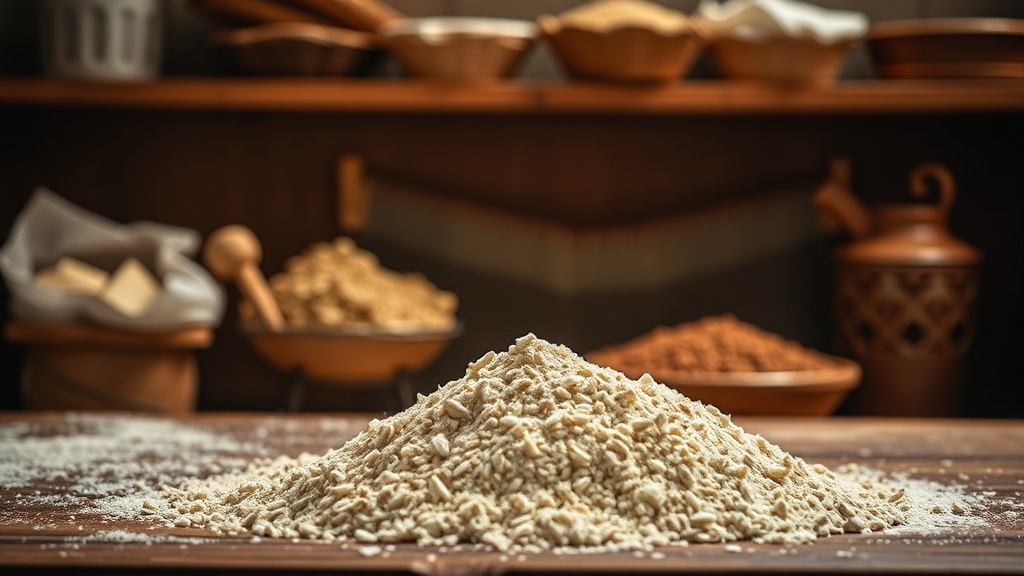
Why Your Whole Grain Flour Selection Matters More Than You Think

Imagine you're standing in the baking aisle, staring at a dozen different bags of flour, wondering why your homemade whole wheat bread feels more like a brick than a light, airy loaf. You bought the heavy, dark, stone-ground flour thinking it was the "healthier" option, but instead, you ended up with a dense, unappealing loaf that lacks the lift of a standard sourdough or a soft sandwich bread. This isn't a failure of your technique or your starter; it's a mismatch between your flour and your recipe's needs. Understanding the physical properties of different grains is the only way to stop guessing and start baking with intention.
What is the difference between whole wheat and white flour?
At its most basic level, the difference lies in what gets stripped away during the milling process. White flour is made from the endosperm—the starchy center of the grain—which provides plenty of starch but lacks the structural complexity of the whole kernel. Whole wheat flour, on the other hand, includes the bran (the fibrous outer shell) and the germ (the nutrient-rich embryo). While the bran provides fiber, it also acts like tiny shards of glass within your dough. These shards can physically cut through gluten strands, preventing them from stretching and causing that heavy, dense texture many home bakers struggle with.
When you use a high-bran flour, you're introducing much more water absorption requirements. The bran and germ are thirsty components. If you swap white flour for whole wheat in a recipe without adjusting your liquid, you'll likely end up with a dry, crumbly dough. For those looking for a middle ground, many bakers prefer using a blend of white and whole wheat to achieve a balance of texture and nutrition. You can find detailed breakdowns of grain structures through resources like the King Arthur Baking community, which offers deep dives into how different-sized particles affect dough elasticity.
How do I choose the right flour for my bread recipe?
Choosing a flour isn't just about the type of grain; it's about the protein content. If you're making a crusty French baguette, you want a flour that can develop a strong gluten network. If you're making a soft, enriched brioche, you need something that can handle the weight of butter and eggs. Here is a quick reference for how protein levels impact your bake:
- High Protein (12-14%): Best for sourdough, artisan loaves, and anything requiring heavy kneading.
- Medium Protein (10-11%): Good for standard sandwich breads and many quick breads.
- Low Protein (7-9%): Ideal for pastries, biscuits, and tender cakes where you want to limit gluten development.
If you find yourself constantly fighting with dough that won't rise, check your protein levels. A common mistake is using a low-protein cake flour for a high-hydration bread dough. The dough will simply collapse under its own weight. For more technical details on flour-to-water ratios, the Serious Eats food lab provides excellent data on how hydration affects crumb structure.
Does the freshness of my flour affect the bake?
The short of it? Yes. Because whole grain flours contain the germ, they contain natural oils. These oils are volatile and can go rancid if left in a warm pantry for too long. When the oils in your flour oxidize, they change the flavor profile of your bread, often adding a bitter or even metallic aftertaste. This isn't just about taste; oxidized oils can also affect how the dough behaves during fermentation. If your flour smells slightly "off" or musty, it's time to toss it.
To keep your flour fresh, consider storing your larger bags in the refrigerator or freezer. This slows down the oxidation process of the oils in the germ. It's a small step, but it makes a massive difference in the consistency of your baking. You'll notice a cleaner, more subtle grain flavor in your bread when the flour is fresh.
Don't forget that even with the best flour, your water quality matters. If you live in an area with very hard water, the minerals can interact with the proteins in your flour, making the dough feel much stiffer than usual. If a recipe calls for water, try using filtered water to see if it improves the consistency of your dough. It's an easy way to troubleshoot a recipe that seems to be behaving unpredictably.
Finally, remember that the "whole grain" label isn't a monolith. Rye flour is a completely different beast compared to wheat. Rye has very little gluten-forming potential and relies more on pentosans for structure. If you're moving from a wheat-based recipe to a rye-based one, you can't simply swap them one-for-one and expect a similar result. You'll need to adjust your hydration and perhaps add a bit of a sourdough starter to compensate for the lack of gluten structure. It's a learning process, but once you understand these variables, you'll stop being a slave to the recipe and start being a baker.