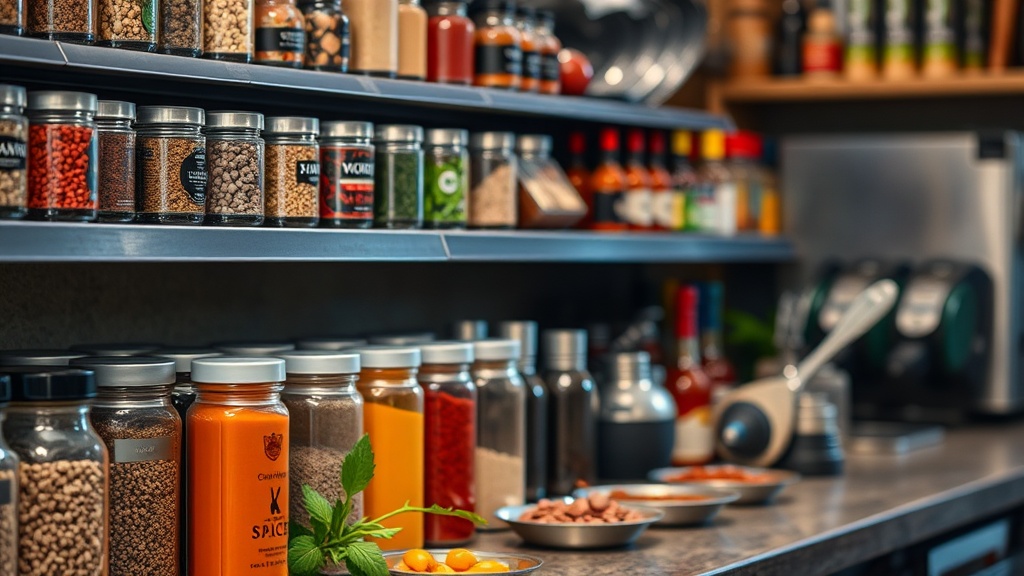
Making Sense of Your Spice Rack Through Volatility and Freshness

Nearly 40% of the aromatic compounds in your spices vanish within six months of opening the jar. This rapid degradation is why your kitchen pantry often feels like a graveyard of dull, uninspired flavors. This guide breaks down the chemistry of spice volatility, how heat and light destroy flavor profiles, and how to manage your inventory to ensure every pinch actually impacts your dish.
How Do You Tell if Spices Are Still Good?
Spices don't typically "expire" in a way that makes them unsafe to eat, but they lose their potency and flavor profile over time. You can test quality through the "sniff and sight" method: if a spice lacks a pungent aroma or looks pale and dusty, it's likely dead. A better way to check is the water test for seeds—drop a cumin seed or peppercorn into water; if it floats, it’s likely hollow and flavorless.
Most people assume a "Best By" date is a hard deadline for safety. It isn't. It's a suggestion of peak flavor. If you're using high-quality brands like Simply Organic or McCormick, the difference between a fresh jar and a stale one is massive. A stale spice won't make you sick, but it will make your expensive steak taste like nothing.
Check these three indicators when auditing your rack:
- Aroma: Rub a small amount between your fingers. If you don't smell an immediate, sharp scent, the volatile oils have evaporated.
- Color: Vibrant spices like Paprika or Turmeric should look deep and saturated. If they look dusty or light, they've oxidized.
- Texture: Clumping in ground spices often indicates moisture-related spoilage or old age.
If you find yourself constantly disappointed by the lack of punch in your recipes, you might want to look into why you should stop buying pre-ground spices immediately. The surface area of ground spices makes them much more susceptible to rapid oxidation.
What Causes Spices to Lose Flavor?
The primary enemies of spice potency are heat, light, oxygen, and moisture. These four factors trigger chemical reactions that break down the essential oils (the volatile components) that provide flavor. Once these oils oxidize or evaporate, the spice becomes "flat."
Let's look at the specific culprits:
- Heat: Storing spices right above your stove is a mistake. The constant temperature fluctuations cook the oils out of the spices before you even use them.
- Light: UV rays break down chemical bonds. This is why many high-end spices come in dark glass or opaque tins.
- Oxygen: Every time you open a jar, fresh air enters. This leads to oxidation, which is the slow decay of the spice's chemical structure.
- Moisture: Humidity is a death sentence for ground spices. It causes clumping and can even lead to mold growth in extreme cases.
Think of your spices like a fine wine or a fresh herb. Just as you wouldn't leave fresh basil on a sunny windowsill, don't leave your dried oregano in a clear glass jar under direct sunlight. It’s a simple matter of chemistry—once the oils are gone, they're gone.
The science of essential oils explains this perfectly. In whole spices, these oils are trapped inside the physical structure of the seed or bark. Once you grind them, you've essentially broken the armor, making them highly volatile.
The Volatility Scale: Whole vs. Ground
Not all spices degrade at the same rate. Some are incredibly hardy, while others are temperamental. Use this table to understand how to manage your inventory based on the form of the spice.
| Spice Type | Form | Volatility Level | Shelf Life (Est.) |
|---|---|---|---|
| Cinnamon | Whole Stick | Low | 2-3 Years |
| Cinnamon | Ground | High | 6-12 Months |
| Cumin | Whole Seed | Medium | 1-2 Years |
| Cumin | Ground | Very High | 6 Months |
| Black Pepper | Whole Peppercorn | Low | 3+ Years |
| Black Pepper | Ground | High | 1 Year |
Notice the pattern? The more surface area a spice has, the faster it loses its "soul." This is why I always recommend keeping a pepper mill on the table rather than a shaker of pre-ground dust.
How Should You Store Spices for Maximum Longevity?
The best way to store spices is in a cool, dark, and dry place, ideally in airtight containers away from any heat-producing appliances. A pantry in a central room is much better than a cabinet above the stove or a countertop near the oven.
If you want to be truly professional about your kit, follow these rules:
Use Opaque Containers. If you love your aesthetic glass jars, keep them inside a wooden box or a dark cupboard. Light is a slow killer. Even if the jar is airtight, light can still penetrate clear glass and degrade the contents over time.
Avoid the Refrigerator. It seems counterintuitive, but the refrigerator is often a bad place for spices. Every time you open the door, you introduce temperature fluctuations and, more importantly, moisture. When you take a jar out of the cold fridge into a warm kitchen, condensation forms inside the jar. This moisture ruins your spices instantly.
Buy Small Quantities. Don't buy a giant tub of cumin just because it's a better value per ounce. You'll end up using it long after it has lost its potency. Buy what you need for the next three months, not the next three years.
That said, if you are working with highly sensitive ingredients—like high-grade saffron or even certain potent ground spices—some chefs actually recommend freezing them. However, this is a niche tactic and requires strictly airtight, moisture-proof containers to avoid contamination.
The goal is to maintain a stable environment. Stability is the key to flavor. If you can control the variables of heat, light, and air, your spice rack will remain a powerful tool rather than a collection of flavored dust.
When you're cooking, remember that the spice is the engine of the dish. If the engine is dead, the whole car won't move. Treat your spices with the same respect you'd give a fresh piece of protein or a delicate vegetable, and your cooking will reflect that care.