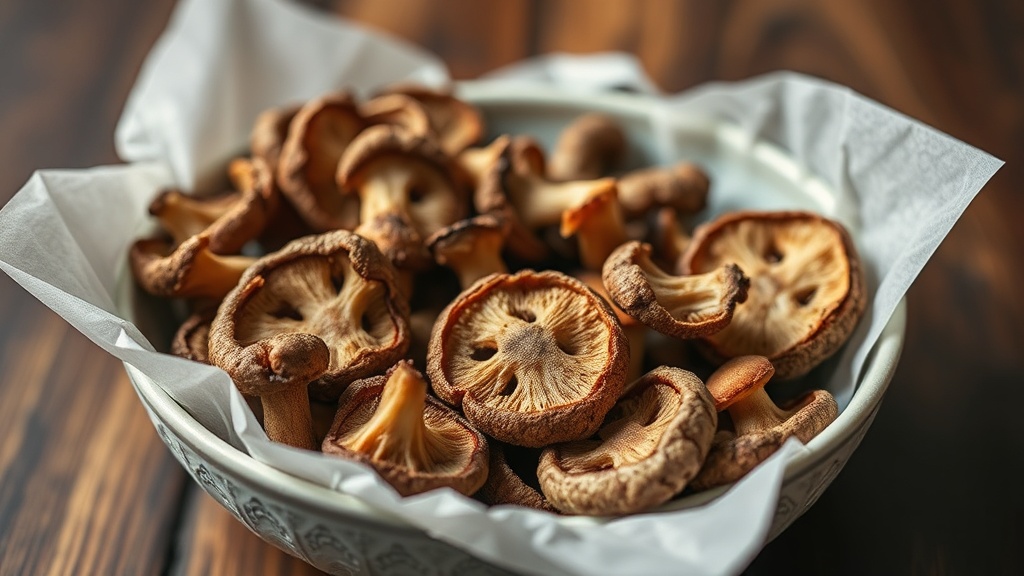
The Unexpected Magic of Dried Mushrooms in Savory Cooking

Imagine you're simmering a beef stew or a heavy cream sauce and it feels like something is missing—not salt, not acid, but a certain depth that you just can't quite pin down. That missing piece is often the concentrated umami found in dried mushrooms. This post explores how to use dried fungi to build intense, savory flavors in your cooking, the different varieties you should keep in your pantry, and the best ways to handle the liquid gold they leave behind.
Most home cooks treat dried mushrooms as a specialty item, something you only pull out for a fancy risotto or a specific soup recipe. That's a mistake. Dried mushrooms are a staple for a reason: they provide a concentrated punch of savory flavor that fresh mushrooms simply can't match. When mushrooms dry, their water content evaporates, leaving behind a high concentration of guanylate—a compound that signals savory satisfaction to your brain.
What Are the Best Types of Dried Mushrooms to Buy?
The best dried mushrooms for general cooking are Porcini (Porcini), Shiitake, and morels, as these offer the most distinct and impactful flavor profiles. While fresh mushrooms are great for texture, dried versions are all about the flavor profile they add to a liquid or a sauce.
If you want to build a pantry that actually works for you, don't just buy whatever is on sale. Focus on these three categories:
- Porcini (Boletus edulis): These are the kings of the dried mushroom world. They have a nutty, earthy, and slightly woody flavor. They're perfect for heavy sauces or even just a simple butter sauce for pasta.
- Shiitake: You'll find these in almost every Asian grocery store. They are incredibly reliable and have a much more subtle, savory-sweet profile compared to Porcini.
- Wood Ear: These aren't for flavor as much as they are for texture. They have almost no taste, but they provide a delightful crunch in soups and stir-fries.
- Cremini or Button: While usually sold fresh, you can find dried versions of these. They are much milder and serve as a "base" rather than a star.
I personally keep a bag of dried Porcini in my pantry at all times. Even if I'm not making a mushroom dish, I'll chop a few up and throw them into a beef ragu. It adds a layer of complexity that makes people ask, "What is in this?" (and it's usually a secret I'm happy to keep).
For more on how to build those deep, savory bases, check out my post on building layers with homemade vegetable stock. The logic is exactly the same: you're looking for that deep, foundational flavor.
How Do You Rehydrate Dried Mushrooms Properly?
To rehydrate dried mushrooms, soak them in a warm liquid—such as water, broth, or even wine—for at least 20 to 30 minutes until they are soft and pliable. Using warm liquid speeds up the process and helps draw out the flavors more effectively than cold water.
There's a right way and a wrong way to do this. If you use boiling water, you might scorch the delicate edges of the mushroom, which can lead to a bitter aftertaste. I prefer using a liquid that is roughly 140°F (60°C). This is warm enough to do the job without being aggressive.
| Liquid Type | Resulting Flavor Profile | Best Use Case |
|---|---|---|
| Warm Water | Neutral, earthy | General cooking, vegetable soups |
| Dry Sherry or White Wine | Bright, acidic, sophisticated | Creamy pasta sauces, risotto |
| Beef or Chicken Stock | Deeply savory, meaty | |
| Soy Sauce/Water Mix | Saltier, more intense umami | Stir-fries, Asian-inspired dishes |
One thing people often overlook is the liquid itself. Once you've soaked your mushrooms, you're left with a dark, flavorful liquid. Do not throw this away. This is essentially a mushroom essence. If you strain it through a coffee filter or a fine-mesh sieve to remove any grit, you have a high-quality stock that is far better than anything you'll find in a carton. It's a massive flavor boost for any sauce or braise.
A quick tip: If you're using a very high-quality dried mushroom like a Porcini, try soaking it in a little bit of dry Sherry. The acidity of the alcohol helps "wake up" the mushroom's flavor. It's a small step, but it makes a world of difference in a rich, creamy dish.
Why Use Dried Mushrooms Instead of Fresh?
Dried mushrooms are used instead of fresh when you want to achieve a more concentrated, intense, and long-lasting umami flavor that fresh mushrooms cannot provide. While fresh mushrooms offer texture and a lighter, more nuanced flavor, dried mushrooms act as a flavor bomb for sauces and braises.
Think about it this way: a fresh mushroom is like a fresh tomato, while a dried mushroom is like a sun-dried tomato. One is bright and juicy; the other is concentrated and intense. You'll rarely find a situation where a dried mushroom is a direct *replacement* for a fresh one in terms of texture, but they are a superior *addition* for depth. If a recipe calls for mushrooms to be the main texture, use fresh. If the recipe calls for mushrooms to provide a background of savory richness, go with dried.
The science behind this is actually quite interesting. According to Wikipedia's entry on Umami, this "fifth taste" is driven by glutamates. The drying process concentrates these glutamates, making the mushroom a powerhouse of savory-ness. This is why a mushroom-infused broth tastes so much more "complete" than a simple vegetable broth.
I often use this technique when I'm making a heavy meat dish. If I'm making a beef stew, I'll add a handful of dried mushrooms. They don't just add flavor; they actually help the sauce feel more substantial. It's a way to add "weight" to a dish without adding heavy fats or starches.
Sometimes, I'll even use a bit of the mushroom liquid to balance out a dish that feels too heavy. If you've ever made a dish that feels like it's missing a "middle note"—not the top note of acid or the bottom note of salt, but that middle, savory part—this is your solution. It's similar to how acid helps balance rich flavors, but instead of brightening the dish, you're deepening it.
The texture of the mushrooms themselves can also be a variable. If you're using them in a stir-fry, make sure you've rehydrated them thoroughly and perhaps even a quick sauté before adding them to the pan. You don't want a piece of mushroom that is still slightly rubbery or "chewy" in a way that feels unrefined. You want them to be tender and integrated into the dish.
The beauty of this ingredient is its shelf life. You can keep a bag of dried mushrooms in your pantry for months, or even a year, and they won't lose their potency. This makes them an incredibly reliable tool for any cook. You don't have to run to the farmer's market every time you want to make a special sauce; you just reach for the jar in the pantry.
When you're working with these, remember to be mindful of salt. Because the soaking liquid is often quite concentrated, adding too much salt to your dish early on can lead to a salty, overbearing result. Always taste your sauce at the very end, after the mushrooms have had time to release their flavor into the liquid.