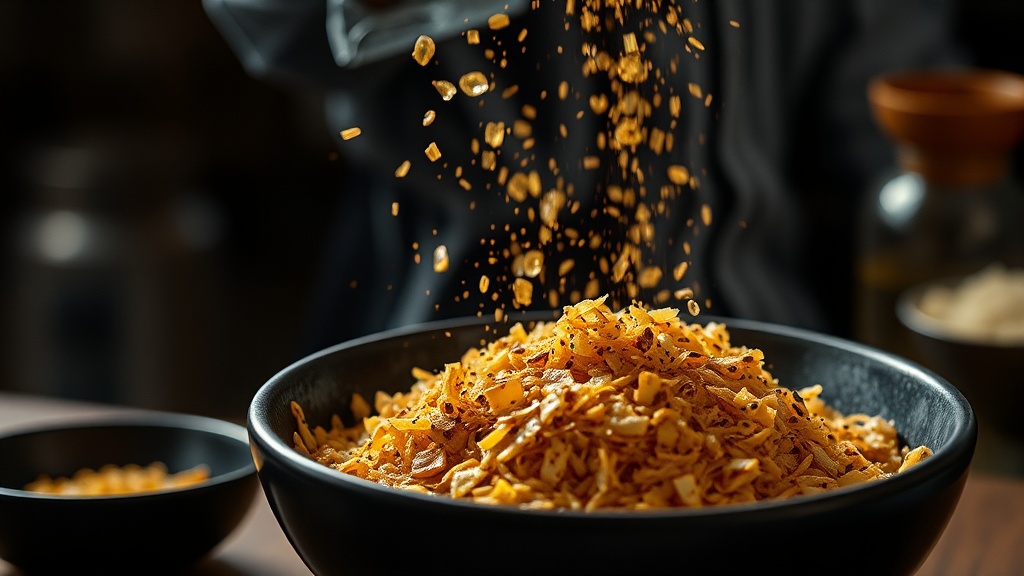
The Hidden Power of Miso in Non-Traditional Cooking

In this guide, you'll find out how to use miso paste as a secret ingredient to add depth, salt, and umami to Western dishes like pasta, marinades, and even desserts. We'll look at the different types of miso, why it works in non-traditional recipes, and how to prevent it from overpowering your food.
What is Miso and Why Does it Matter?
Miso is a fermented soybean paste that provides a massive hit of umami through a natural fermentation process. It's basically a concentrated dose of savory flavor that can fix a dish that feels "flat" or one-dimensional. While most people associate it strictly with Japanese soups, it functions more like a high-end salt or a concentrated bouillon in a Western kitchen.
The fermentation process—which involves salt, soybeans, and a starter culture like Koji (Aspergillus oryzae)—creates a complex chemical profile. You aren't just adding salt; you're adding amino acids and deep, earthy notes. This is why it works so well in things like a Bolognese sauce or a heavy beef stew. It provides a base layer of flavor that sits underneath the brighter ingredients.
If you're used to using salt or soy sauce to fix a dish, try using miso instead. It's a different way of thinking about seasoning. It's not just about saltiness—it's about the texture and the lingering aftertaste.
Which Type of Miso Should You Use?
The best type of miso depends entirely on whether you want a subtle background note or a heavy-hitting savory punch. Generally, the lighter the color, the milder the flavor; the darker the paste, the more intense and salty it becomes.
Here is a breakdown of the three most common varieties you'll find in a standard grocery store or an Asian market:
| Miso Type | Color | Flavor Profile | Best Use Case |
|---|---|---|---|
| Shiro (White) | Pale/Creamy | Sweet, mild, and delicate | Salad dressings, light creamy sauces, or baking |
| Awase (Yellow) | Golden/Tan | Balanced and versatile | General cooking, marinades, and everyday soups |
| Red/Dark Miso | Deep Brown | Strong, salty, and pungent | Heavy stews, braises, or dark vegetable glazes |
I usually keep a tub of Hikari Miso or a similar high-quality brand in my fridge. If you're making something delicate, like a lemon butter sauce, stick to the white miso. If you're making a heavy ribeye steak with a pan sauce, go for the red. Using the wrong one can ruin the balance of your dish—too much red miso in a light cream sauce will make it taste like fermented funk rather than a gourmet meal.
It's worth noting that miso is a living product. While many commercial versions are pasteurized, traditional varieties are often unpasteurized. Check the Wikipedia page for Miso to understand the different regional fermentation styles if you want to get really nerdy about it.
How Do I Use Miso in Non-Traditional Recipes?
You can use miso in almost any savory or even sweet application by treating it as a seasoning rather than a main ingredient. The trick is to integrate it into a fat or a liquid to ensure it doesn't clump up in your pan.
1. The "Umami Bomb" for Pasta
Next time you're making a simple Carbonara or a butter-based pasta, whisk a tablespoon of white miso into your cheese or cream. It adds a depth that parmesan alone can't reach. It’s a great way to add weight to vegetarian pasta dishes that might otherwise feel thin.
2. Meat and Vegetable Marinades
Miso is an incredible tenderizer. The enzymes in the fermented paste help break down proteins. If you're roasting vegetables like cauliflower or Brussels sprouts, toss them in a mixture of olive oil, maple syrup, and a bit of red miso. The sugars in the miso will caramelize in the oven, creating a crust that is far more interesting than just salt and pepper.
3. The Secret to Better Dessors
This might sound strange, but miso works in sweets. It functions similarly to salted caramel. A small amount of white miso added to a caramel sauce or a chocolate mousse adds a salty, savory counterpoint to the sugar. It cuts through the richness and keeps the dessert from being cloying.
If you're already experimenting with flavor profiles, you might find that your seasoning techniques are just as important as the ingredients themselves. If you're still using standard table salt for everything, you might want to read my post on why you should stop buying pre-ground spices to see how much better whole-ingredient cooking can be.
Can I Cook Miso with High Heat?
You should avoid cooking miso at extremely high temperatures for long periods because high heat can destroy the delicate aromatic compounds and the nutritional benefits of the live cultures. While it's fine to stir it into a simmering sauce, you shouldn't use it as a high-heat frying agent.
If you're making a glaze for a salmon fillet, don't put the miso directly on the fish and then throw it under a broiler for 20 minutes. The sugars and proteins in the miso will burn, leaving a bitter, charred taste. Instead, whisk the miso into a liquid or fat (like butter or oil) first, then apply it toward the end of the cooking process. This keeps the flavor intact without the burnt aftertaste.
A common mistake is adding miso to a boiling pot of water. If you're making a soup, add the miso at the very end after you've turned off the heat. This preserves the subtle nuances of the fermentation. It's the same reason why you wouldn't boil fresh herbs—you want to preserve the "life" of the ingredient.
The catch? If you overcook it, you lose the very thing that makes it special: that complex, fermented depth. Treat it more like a finishing touch than a heavy-duty cooking base.
When you're working with these types of fermented ingredients, precision is key. If you're working with a cast iron pan to sear your proteins before adding the miso glaze, make sure your heat management is on point. If your pan is too hot, the miso will turn bitter before the meat is even cooked. If you're having trouble with your pan temperature or seasoning, check out my guide on why your cast iron skillet might not be seasoning correctly.
Miso isn't just a Japanese staple; it's a versatile tool for any cook looking to add a layer of sophistication to their pantry. Whether you're using it to deepen a beef stew or to add a salty edge to a chocolate tart, remember to start small. You can always add more, but you can't take it back once the flavor has taken over the dish.