The Unexpected Connection Between Salt and Texture

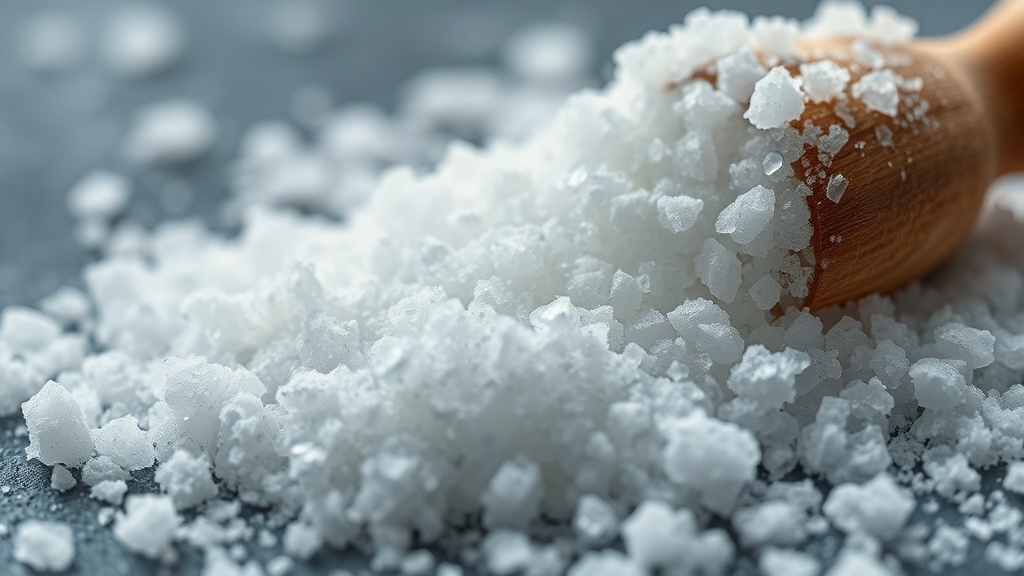
A heavy dusting of Maldon sea salt sits atop a dark chocolate tart, the crystals catching the light like jagged diamonds. When you bite into it, the crunch isn't just a sensation—it's a sharp, structural interruption to the velvet smoothness of the ganache. Most people think of salt solely as a flavor enhancer, a way to make things "saltier," but it does much more than that. It actually alters the physical structure of what you're eating. This post explores how salt manipulates texture in everything from bread dough to steak, and why understanding this relationship changes how you season your food.
How Does Salt Affect Food Texture?
Salt changes texture by influencing protein structures and moisture retention through chemical reactions. In many cooked foods, salt doesn't just sit on the surface; it penetrates the cellular level to change how ingredients behave under heat or pressure.
Take protein, for example. When you salt a piece of meat, the sodium ions interact with the muscle fibers. This process can denature the proteins, which sounds technical, but it basically means the proteins unfold and then re-bond in a way that holds more moisture. If you salt a steak and let it sit (the "dry brine" method), you're actually changing the physical density of the meat. It becomes more tender because the salt has helped break down those tough, tightly wound fibers.
In the world of baking, the impact is even more visible. Salt controls the rate of yeast fermentation. Without it, dough would rise too fast, resulting in a weak, unstable structure. A controlled rise leads to a much better crumb. It’s a delicate balance—too little salt and your bread might be a gummy mess; too much and you've ruined the structural integrity entirely.
I often see home cooks making the mistake of adding salt only at the very end of a recipe. While that's fine for a finishing touch, you're missing out on the structural benefits that happen when salt is integrated during the cooking process. If you want to see how heat and seasoning work together to create texture, you might want to check out my guide on how to tell if your pan is hot enough for perfect searing, as the Maillard reaction is also heavily influenced by the moisture levels on the surface of your food.
The Science of Osmosis in the Kitchen
When you sprinkle salt on a sliced tomato or a cucumber, you notice a puddle forming almost immediately. That isn't just "leaking" juice; it's osmosis in action. The salt draws water out of the cells to balance the concentration levels. This is a tool, not a mistake. If you're making a vegetable slaw or a pickled vegetable, you use salt to "sweat" the moisture out, which prevents the dish from becoming a watery, limp pile of sadness.
This is also why many professional chefs use salt to prep vegetables before sautéing. By drawing out excess water, you ensure the vegetable actually browns rather than steams in its own juices. It's a simple trick, but it's the difference between a mushy zucchini and one with a crisp, golden exterior.
Does Salt Make Meat More Tender?
Yes, salt makes meat more tender by breaking down tough protein structures and helping the meat retain moisture during the cooking process.
There are two main ways this happens. First, there is the chemical side. Salt helps dissolve certain proteins in the meat, making the muscle fibers more pliable. Second, there is the physical side. When you salt meat well in advance, the salt draws moisture out, creates a brine, and then that brine is reabsorbed into the meat. This process, often called dry brining, ensures the interior stays juicy while the exterior gets that beautiful, crusty sear.
I've tried both methods—the quick salt right before cooking and the long-term dry brine—and the difference is night and day. A steak that has been dry-brined for 24 hours in the fridge has a much more consistent, tender bite than one that was salted right before hitting the cast iron. It’s not just about flavor; it's about the physical sensation of the meat in your mouth.
| Method | Texture Result | Best Used For |
|---|---|---|
| Immediate Salting | Crispy surface, slightly more uneven moisture | Quick searing, stir-fries |
| Dry Brining (12-24 hrs) | Deeply tender, much juicier interior | Roast chicken, thick steaks |
| Wet Brining (Liquid) | Highly hydrated, very soft texture | Turkey, pork shoulder |
One thing to watch out for: if you over-brine with a liquid brine, you can actually end up with a texture that's a bit too soft or even "hammy." It loses that meaty bite. It's a fine line to walk.
How Does Salt Affect Dough and Bread?
Salt acts as a regulator for yeast activity and a strengthener for the gluten network in dough.
If you've ever baked a loaf of bread that felt strangely limp or lacked a good structure, it might be a salt issue. Salt slows down the fermentation process. This might sound counterintuitive—wouldn't you want the yeast to work faster? But if the yeast goes too fast, the dough produces gas too quickly for the gluten to hold it. You end up with big, irregular holes and a weak, fragile crumb. Salt keeps the yeast "in check," allowing the gluten to develop a strong, elastic web that can hold those bubbles perfectly.
This is why professional bakers are so precise with their percentages. They aren't just looking at the weight; they're looking at the ratio. A standard baker's percentage for salt in bread is usually around 2%. If you drop to 1%, the dough will be much more "wild" and harder to control. If you go to 3%, it might become too dense and, frankly, just taste too salty.
For those interested in the more complex chemical interactions of flavor and structure, looking into the history of Umami and savory depth can provide a deeper context for how different elements interact in a dish. Salt is often the bridge that allows these deep flavors to actually be perceived by our taste buds.
The Role of Salt in Pastry Texture
In pastry, salt plays a different role. It's less about structural strength and more about the contrast of textures. Think of a salted caramel or a chocolate tart. The salt provides a sharp, crystalline crunch that breaks up the richness. It's a tactile experience. Without that tiny bit of salt, the texture can feel one-dimensional and heavy.
I often recommend using a high-quality finishing salt like Maldon or even a coarse sea salt for these applications. The goal isn't to make the pastry taste "salty," but to provide a textural counterpoint. It's that little bit of resistance when you bite down that makes the dessert feel premium. It's a small detail, but it's what separates a home bake from a professional pastry.
- The Prep Phase: Use salt to draw out moisture from vegetables (cucumbers, eggplant, zucchini) to ensure a crisp texture.
- The Cooking Phase: Use salt to stabilize yeast in doughs, ensuring a strong, controlled rise.
- The Finishing Phase: Use coarse salt to add a physical "crunch" to soft or creamy dishes.
It's worth noting that salt isn't just a seasoning; it's a structural tool. Whether you're working with a heavy cast iron skillet or a delicate sourdough starter, the way you apply salt dictates the final physical experience of the food. You aren't just seasoning the taste—you're building the texture.
If you're looking to refine your finishing touches, you might find interest in making your own infused finishing oils. Much like salt, the right oil can change how a dish feels on the palate, adding a silky or viscous layer to the texture. It's all about the layers.